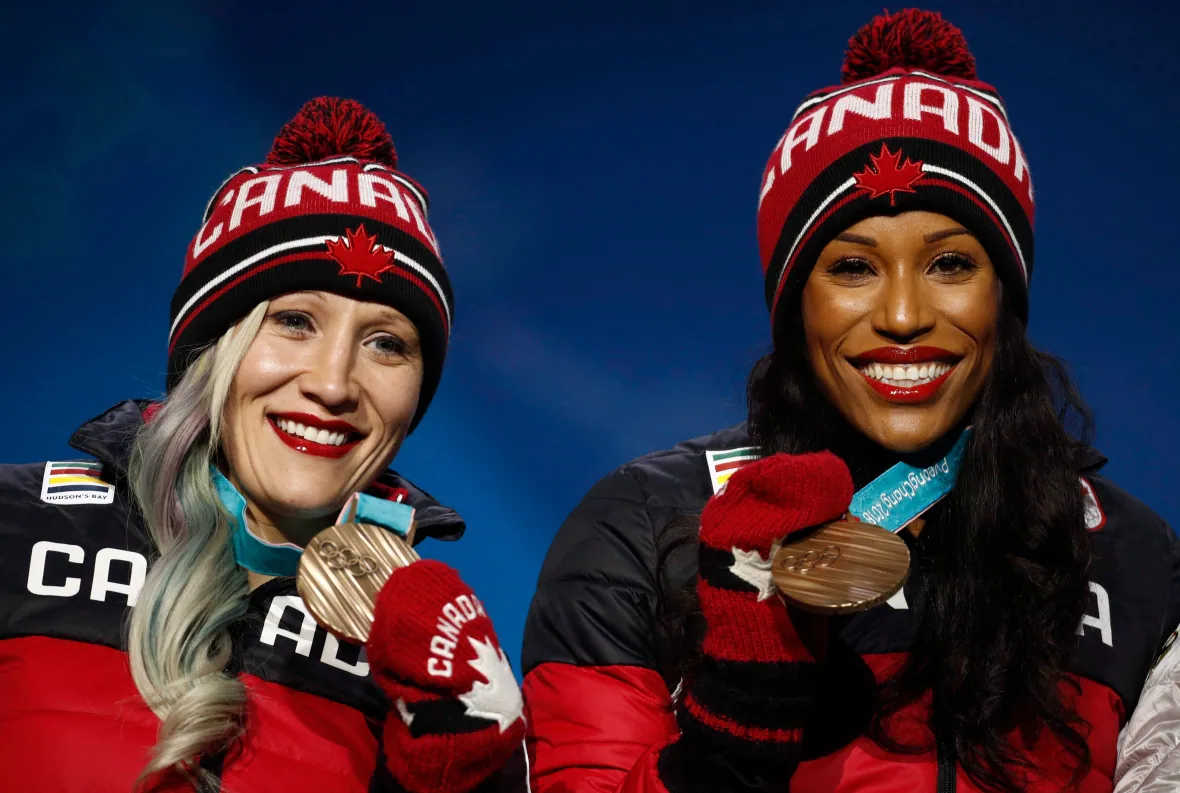
In light of the Winter Olympics approaching, it would be a great time to discuss how women’s sports are treated in the Olympics compared to men.
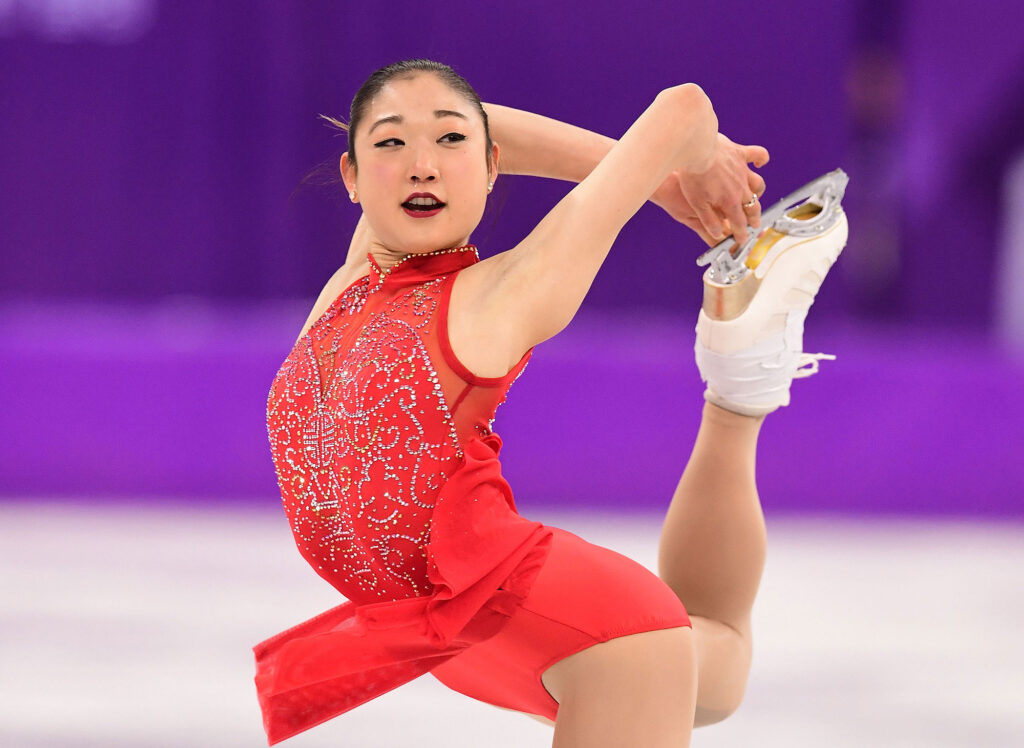
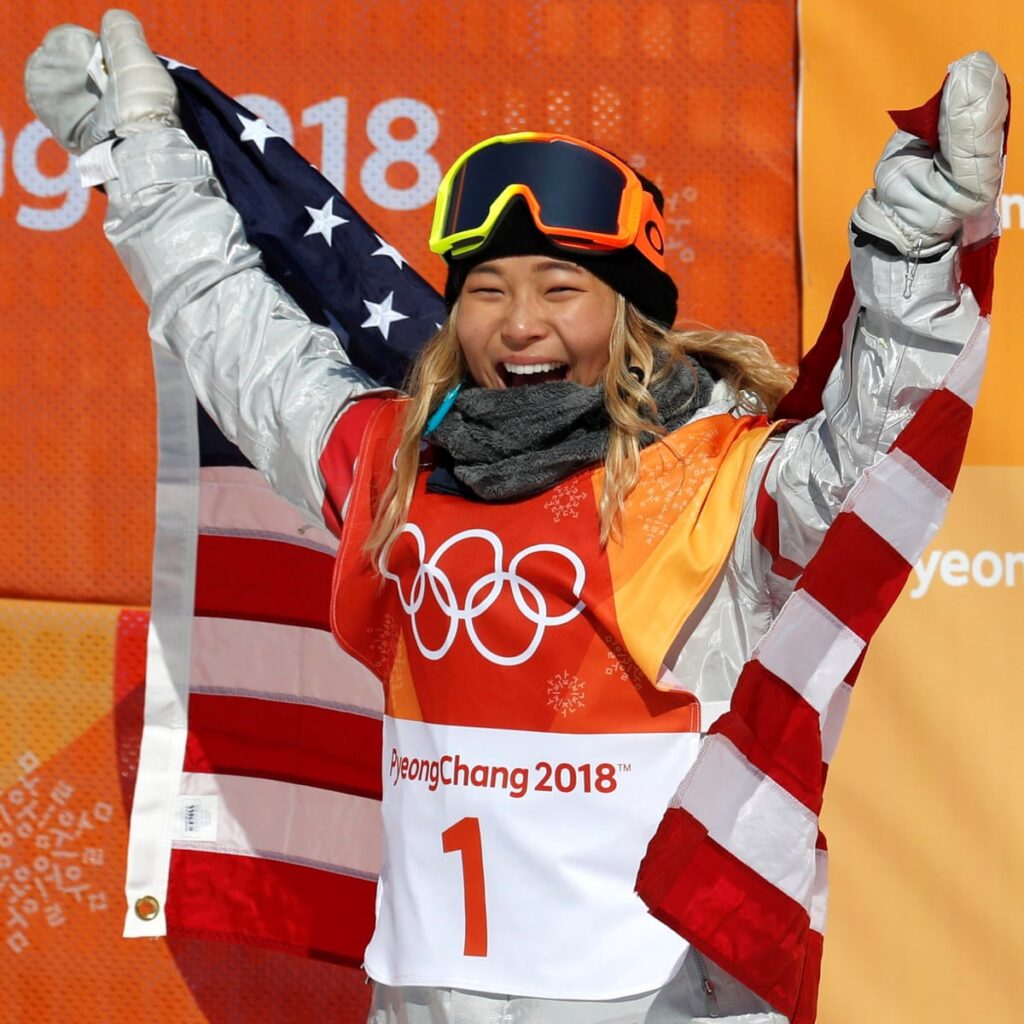
Although women have come a long way since the 1924 Olympics in terms of representation, they still do not account for 50 per cent of the participants almost a century later. According to Statista, in the 2018 Pyeongchang Winter Olympics, women only made up for 41 per cent of the total number of athletes.
Reasons Why
And there isn’t just a single reason for this, one example being that the number of events for women to participate in is less than men.
Take women’s ski jumping, for instance; women only get to participate in one event for ski jumping compared to men who get three events, including the normal hill, large hill, and large hill team event.
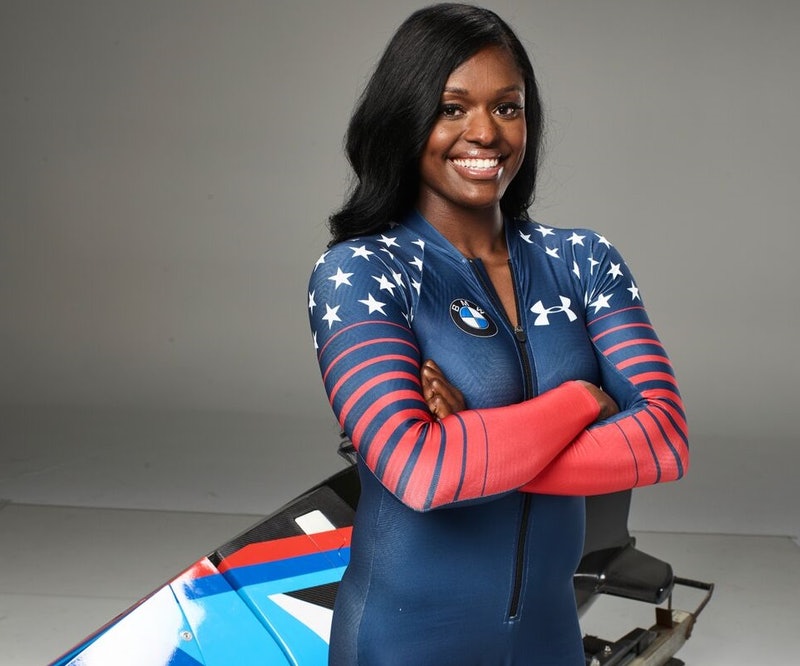
The same goes for bobsledding, where the men have two events (two men and four men), and the women-only have one (two men).

Not to mention that there are still countries where women are not allowed to participate in events at all. Despite Brunei, Qatar and Saudi Arabia sending female athletes to the 2012 London Summer Olympics, they have yet to send a woman to the Winter Olympic Games, according to The Guardian.
Personal Experience
It’ the 2014 Sochi Winter Olympic games; I’m sitting in my grade eight class watching both the men’s and women’s snowboarding slopestyle competitions take place. Everyone is in awe of Mark McMorris coming back from a rough start and still winning bronze.
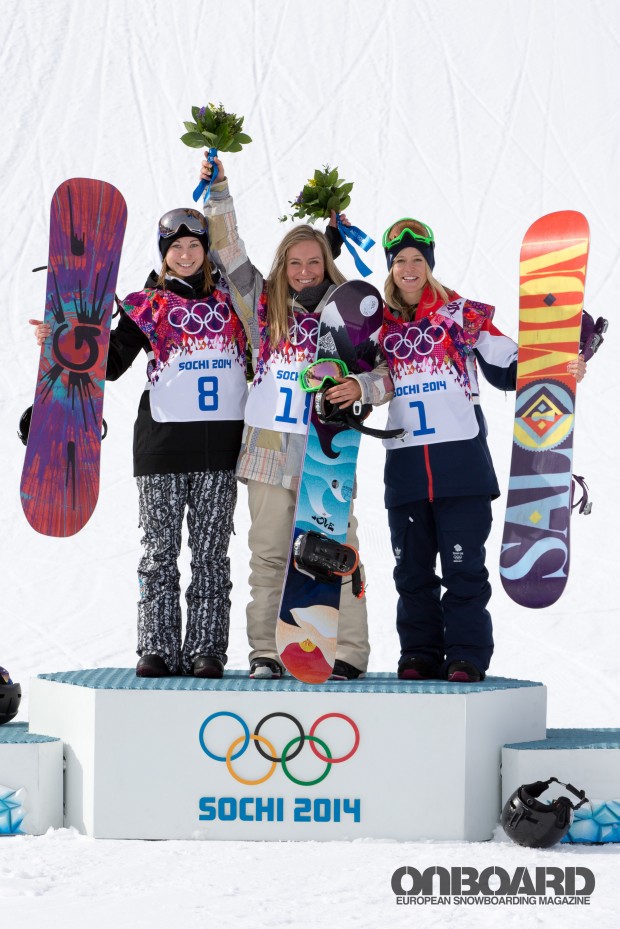

After the events concluded, one of the boys in my class said, “how is the women’s event even a sport? They don’t even compare to the men,” to which my male teacher laughed in agreeance.
Female athletes have made significant strides for equal representation within the Olympics, yet, these facts show there is still a lot of work that needs to be done.